In today's manufacturing landscape, minimizing material waste is crucial for both economic sustainability and environmental responsibility. I’m here to share how the innovative CNC Leather Cutting Machines by ZXT can drastically reduce waste in leather production, providing you with clear, actionable steps to optimize your operations efficiently. Follow this guide to achieve remarkable results while maintaining quality standards.
One of the standout features of ZXT’s CNC Knife Flatbed Cutter is its precision, achieving cuts to within 0.01mm accuracy. This intricacy allows for maximizing the use of each leather hide, ensuring that every square inch is utilized effectively. Start by evaluating your current cutting processes: are they manual, or do they use outdated machinery? Switching to a CNC leather cutting machine is a transformative step toward efficiency and waste reduction.
Evaluate Current Waste Levels: Conduct a thorough analysis of your current production methods. Measure the percentage of material wasted during the cutting phase. This baseline will help you understand the potential savings once you implement the CNC solution.
Select the Right CNC Machine: Research various models and features, focusing on machines like the ZXT CNC Knife Flatbed Cutter. Consider specifications such as cutting speed, blade lifespan, and automation capabilities, ensuring they align with your production needs.
Integrate with Design Software: Leverage advanced design software compatible with the cutting machine. Software solutions that offer nesting features can optimize leather layout to maximize yield. The capability of 100% inspection via CAD also ensures defects are caught early, reducing wastage.
Train Your Staff: Proper training is essential for smooth operations. Conduct workshops focusing on machine operation, maintenance, and the importance of waste reduction. A skilled workforce can effectively manage the CNC machine while adhering to industry standards like ASTM or DIN to ensure quality and efficiency.
Monitor Performance Post-Implementation: After deploying your CNC cutting machine, monitor its performance against the initial baseline waste levels. Utilize metrics to assess efficiency, productivity, and waste reduction over time. Making adjustments based on these insights ensures continuous improvement.
By following these steps, businesses can expect to see significant decreases in material waste, thus enhancing their bottom line. For instance, companies have reported reductions in leather waste by up to 30% by switching from traditional cutting methods to CNC technology. This transition not only improves cost savings but bolsters brand reputation by enhancing sustainability practices, appealing to eco-conscious consumers.
Introducing CNC Leather Cutting Machines can come with hurdles:
By taking these steps now, you can significantly minimize material waste in your leather production operations, paving the way for a more sustainable and profitable future. I encourage you to embrace the technology and expertise offered by ZXT—not only to enhance your manufacturing efficiency but to position your business as a leader in responsible production practices.
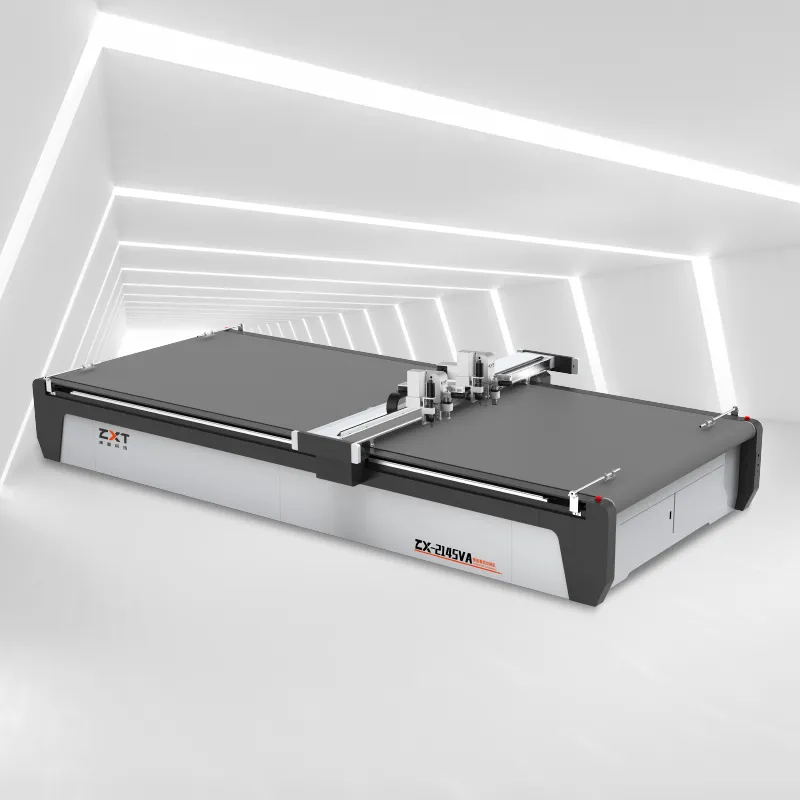
A: CNC Leather Cutting Machines provide unparalleled precision, achieving cuts within 0.01mm, which maximizes the utilization of leather hides and significantly reduces material waste, potentially by up to 30%. This enhances efficiency and lowers costs.
A: Regular training programs for your staff and adherence to industry standards such as ASTM or DIN are essential. ZXT offers comprehensive training for operators to ensure proper machine operation and maintenance.
A: Advanced design software with nesting features, such as OptiCut or NestFab, can optimize leather layouts to maximize yield and ensure effective integration with ZXT's CNC cutting machines.
A: Yes, while the initial investment may be significant, the long-term savings through reduced material wastage and improved efficiency can justify the costs, leading to overall financial sustainability.
A: When choosing a CNC cutting machine, focus on cutting speed, blade lifespan, automation capabilities, and compatibility with design software to ensure it aligns with your production needs.


