How CNC Knife Cutting Machines Improve Cutting Precision and Efficiency

How CNC Knife Cutting Machines Address Precision and Efficiency Challenges

In today's competitive manufacturing landscape, the demand for enhanced cutting precision and increased efficiency is paramount. Users, particularly in industries such as automotive and textiles, often struggle with traditional cutting methods that lead to material waste and inconsistent results. CNC knife cutting machines offer innovative solutions to these challenges by providing automated cutting processes that significantly reduce human error. By integrating technology, such as that found in ZXT cutting machines, businesses can achieve precise cuts with a tolerance of up to ±0.1 mm. This article delves into the detailed needs users have, highlighting their pain points while showcasing how CNC knife cutting machines can resolve them.

Preparation for Using CNC Knife Cutting Machines

Before diving into the operation of a CNC knife cutting machine, there are specific preparations required to ensure optimal performance:

  1. Materials: Identify the types of materials you will be working with. Common options include foam, paper, textiles, and plastics.
  2. Tools: Ensure you have the necessary accessories, such as knife blades suitable for your selected materials. For instance, ZXT offers blades designed for both soft and rigid materials.
  3. Software: Familiarize yourself with the CNC software, which is crucial in translating designs into machine commands.
  4. Training: Consider training resources to understand machine operation and maintenance. Many users benefit from online tutorials and manuals provided by ZXT.

Step-by-Step Guidance on Operating a CNC Knife Cutting Machine

Operating a CNC knife cutting machine can seem daunting, but following these simple steps can streamline the process:
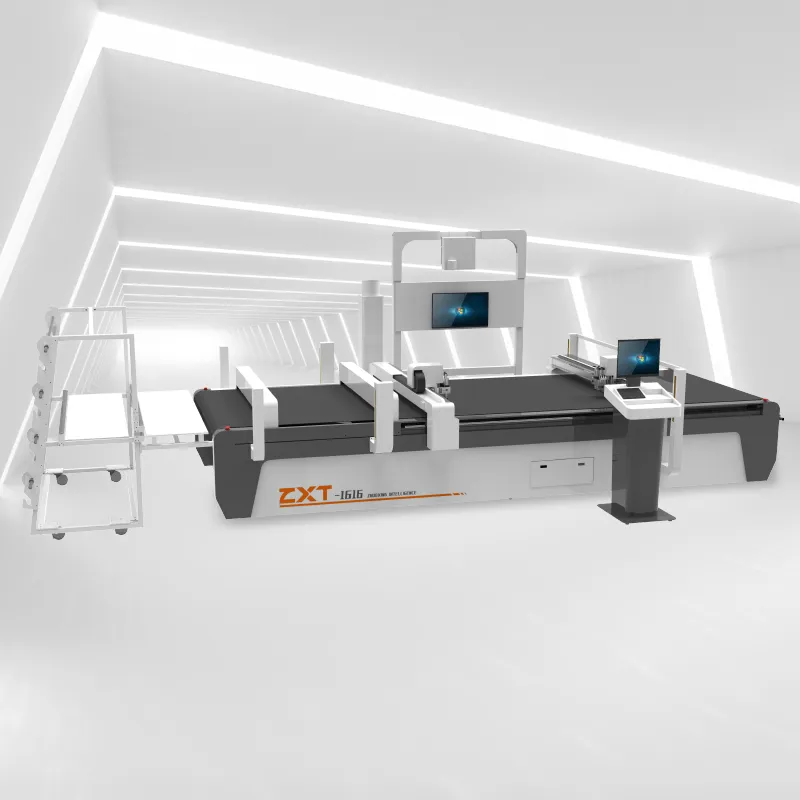
  1. Set Up the Machine: Ensure the CNC knife cutting machine is on a stable, level surface. Connect it to a power source.
  2. Calibrate the Machine: Using the built-in calibration tools, adjust the blade height and ensure the correct tension is applied.
  3. Load Your Design: Import your cutting design into the CNC software. For accuracy, ensure your design dimensions match the material size.
  4. Select Material and Blade: Choose the appropriate type of knife for your material. Use the ZXT library for optimal blade recommendations.
  5. Run a Test Cut: Always perform a small test cut on excess material to ensure precision. Adjust settings if necessary.
  6. Execute the Cut: Once satisfied with the test, start the main cut. Monitor the machine to avoid jams.
  7. Inspect the Final Product: After cutting, measure the result for accuracy and ensure edges are smooth.
How CNC Knife Cutting Machines Improve Cutting Precision and Efficiency

Common Errors and Solutions When Using CNC Knife Cutting Machines

Even experienced users may encounter issues. Here are some common errors and how to address them:

  • Inconsistent Cuts: This could result from improper calibration. Always double-check settings before cutting.
  • Material Slippage: Ensure the material is securely held in place. Consider using clamps specifically designed for the machine model.
  • Blade Dullness: Regularly inspect blades for wear and replace them as necessary to maintain cutting precision.

Summary and Suggestions

The impact of CNC knife cutting machines on manufacturing efficiency and precision is significant. With capabilities such as reduced waste, consistent cuts, and high speed, users can streamline their production processes. Investing in a quality machine like those offered by ZXT can yield returns in operational efficiency, with some users reporting a reduction in cutting time by up to 50% while improving accuracy. We recommend conducting thorough research, like reading user case studies, before making a purchase decision.

FAQs

Q1: What types of materials can be cut using CNC knife cutting machines?
A: CNC knife cutting machines can handle a variety of materials including textiles, foam, paper, and certain plastics.

Q2: How often should I replace blades?
A: Blades should be inspected regularly for dullness, with replacement recommended at least every 100 cuts, depending on material.

Q3: Can CNC knife cutting machines be used for intricate designs?
A: Yes, modern CNC machines are capable of executing complex designs with precision, making them ideal for intricate cutting tasks.

  • wechat

    Allen Lee: +86 134 0606 9774

Chat with Us